You may have heard these two words, PCOS and PCOD, across many gynae clinics.
A lot of women hear one of them at a scan, or from a friend, and go home thinking it is the same thing spelled two ways. It isn’t, not quite. The difference between PCOS and PCOD matters, because the way each one is looked after can change a fair bit.
One small note before we go further. Doctors sometimes use the two names loosely, even interchangeably, so if your report says one and your cousin’s says the other, there’s no need to panic. We have kept this simple below, and where a medical word comes up, we explain it.
First, What PCOD Means in Plain Words
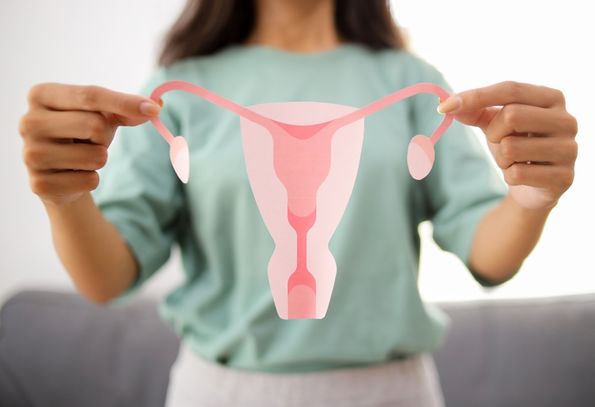
So, what PCOD means is Polycystic Ovarian Disease. One mature egg should come out of the ovaries every month. Many eggs that have PCOD don’t hatch properly and stay half-grown. They stay inside the ovary for a while as small cysts filled with fluid. The ovaries may look a little bigger on an ultrasound.
Hormones are also pulled in. It’s like the ovaries are making added androgens. Androgens are hormones that are normally found in men, but women also have some. A lot of the factors that affect this are the way of life – long hours of sitting, eating sugary foods, staying up late, and stress. More than most people think, family background is also important.
And PCOS? Where the Difference Between PCOS and PCOD Starts
PCOS is Polycystic Ovary Syndrome. The word “syndrome” is the clue. It is not only about the ovaries; it’s a hormone (endocrine) problem that affects the whole body, including how the body handles sugar and insulin. Eggs may stop being released at all, so periods can go missing for months at a stretch.
That is the core difference between PCOS and PCOD. One is mostly an ovary issue that usually responds well to lifestyle changes. The other is a wider metabolic condition which, left alone for years, has been linked with diabetes, heart trouble and problems with the lining of the womb.
Symptoms – Some Shared, Some Not
The signs overlap a lot, which is why so many women get mixed up about what PCOD means compared with PCOS. Common ones include:
- Irregular periods, sometimes very late and then heavy when they do come
- Weight gain, mostly around the tummy
- Acne that refuses to settle
- Extra hair on the face, chin or chest
- Thinning hair on the scalp
- Dark, velvety patches on the neck or underarms
- Difficulty getting pregnant
With PCOS the signs tend to be stronger. Some women also notice poor sleep, snoring, low moods or feeling tired most days. Not everyone gets all of these. A few women have hardly any signs and only find out during a routine scan.
Does the Difference Between PCOS and PCOD Affect Pregnancy?
A little, yes. Most women with PCOD can conceive, sometimes with only small help like losing some weight or medicines that support ovulation. With PCOS, it may take longer and need closer follow-up. Either way, it’s not a closed door. Speaking with one of the obstetrician doctors in Prayagraj early, even before you start trying, makes the road ahead much clearer.
How Are the Two Managed?
Neither has a permanent cure. What doctors do is manage the symptoms and keep long-term risks lower. Understanding the difference between PCOS and PCOD helps here, since the plan for each is not the same.
For PCOD, lifestyle sits right at the centre. Daily walking or yoga, fewer refined carbs and sweets, more protein and fibre from dal, sabzi, salads and curd. Even a small drop in weight brings periods back on track for many women. Medicines get added only if the doctor feels they’re needed.
PCOS usually needs a bit more. Hormone-balancing medicines, blood sugar and cholesterol tests every so often, and regular check-ins are fairly common. Food and exercise still matter just as much. Skin and hair complaints are looked at separately.
When Should You See a Doctor?
Book a visit if periods have been missing for two or three months, if acne or facial hair is suddenly getting worse, or if you have been trying for a baby for a while without luck. An ultrasound and a few blood tests usually show what is happening. Knowing what PCOD means for your own body is much easier once the reports are in hand.
At Dr. Preeti Hospital in Prayagraj, women can meet our gynecologist in prayagraj for both conditions, from the first scan through to follow-ups. If you have very heavy bleeding or sudden, severe pain in the lower tummy, please go to the nearest emergency department straight away.