
Surgery decisions feel scary. Knowing your options makes the choice easier.
Two common surgery types exist today. Each works differently and heals differently. This blog explains what is laparoscopic surgery, what open surgery means, and which one heals faster.
What Is Laparoscopic Surgery?
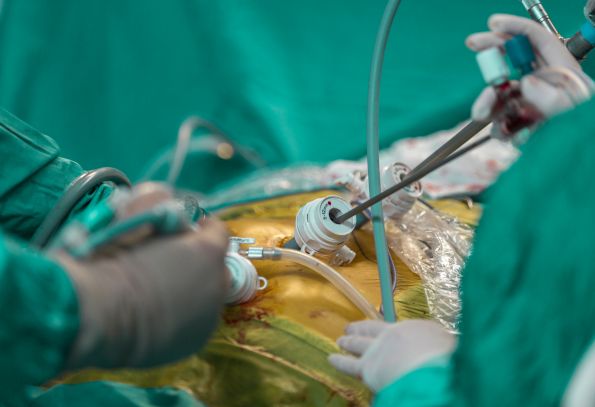
Laparoscopic surgery helps to make surgery with fewer cuts on your body. Surgeons use small cuts instead of one large incision.
A thin tube called a laparoscope goes inside. It has a tiny camera attached.
This camera sends live images to a screen. The surgeon watches closely and operates through small openings.
Common uses of laparoscopic surgery:
- Gallbladder removal
- Hernia repair
- Appendix removal
- Gynecological procedures
- Diagnostic exploration of the abdomen
Because incisions are small, healing tends to happen faster. Scarring is also much less visible.
What Does Open Surgery Mean?
Open surgery follows the traditional approach. The surgeon makes a single long incision to reach the problem area.
This gives direct access to organs and tissues. Surgeons can see and touch everything clearly.
Open surgery is required in situations such as:
- Removal of complex tumors
- Transplantation of organs
- Emergencies that involve traumatic injury
- Serious internal injury
- Scarring due to prior surgery
Open surgery does not rely on obsolete techniques. There are circumstances in which open surgery is mandatory.
Key Differences Between the Two Methods
Both techniques treat similar problems. But their process and recovery paths differ greatly.
Size of incision:
- Laparoscopic: Small incisions, less than an inch each
- Incision: One big incision in the abdomen of several inches.
Hospital stay:
- Laparoscopic surgery: Usually one or two days.
- Open surgery: Usually four or seven days.
Amount of pain endured:
- Laparoscopic surgery: Low pain.
- Open: Higher, requires stronger medication
Scars left behind:
- Laparoscopic: Very few and invisible scars
- Open: Visible, larger scars
Recovery period:
- Laparoscopic: One to two weeks
- Open: Four to six weeks
Why Does Laparoscopic Surgery Heal Faster?
Smaller cuts mean less tissue damage. Your body doesn’t need to repair as much.
Less trauma means less internal bleeding too. This naturally shortens the healing timeline.
Patients also move around sooner after laparoscopic surgery. Hospital stays shrink because monitoring needs are lower. Most patients feel comfortable going home quickly.
Does Laparoscopic Surgery Have Any Downsides?
Yes, but not always for everyone. There are some cases where traditional open surgery is preferred.
There are people who cannot have laparoscopic surgery due to:
- Severe obesity making it difficult to see inside the body
- Certain heart and lung diseases
- Previous surgeries leaving excessive scar tissue
- Tumors that are too complex
This type of surgery requires anesthesia in all cases. Not all patients are candidates for this surgery.
Does Open Surgery Have Any Advantages?
In some cases, open surgery may prove more advantageous. Vision is an advantage in complex or emergency situations.
There is quick adaptation to any problems that arise. Cost-effectiveness is another advantage of open surgery.
Fewer expensive instruments are required for such a procedure.
So, Which Surgery Should You Choose?
There’s no single right answer here. Your specific condition determines the best surgical approach.
Age, health history, and severity all play a role. Your surgeon evaluates every factor carefully.
Questions worth asking your doctor:
- Am I a candidate for laparoscopic surgery?
- What risks apply to my specific case?
- How long will my recovery realistically take?
- What happens if complications arise mid-surgery?
Never choose based on assumptions alone. Professional evaluation always leads to safer decisions.
Overreliance on the Internet Can Be Harmful
Both open and laparoscopic surgery have their place. Neither option is universally “better” for every patient. The doctor’s input will help you understand what an open surgery means.
Laparoscopic procedures are often faster to heal from and associated with less pain. Open surgeries are necessary for difficult and risky situations. The best option would be to seek professional medical advice. Internet searching should not be your only guide.
Visit our trusted multispecialty hospital in Prayagraj for a thorough evaluation and personalized surgical guidance today.
Get Expert Guidance Before Your Surgery
Choosing between types of surgery shouldn’t feel confusing. The right medical team simplifies this decision completely.
At Dr. Preeti Hospital, our surgeons carefully assess every case. We recommend options based on real medical need, not convenience.
If you’re considering laparoscopy surgery in Prayagraj, our specialists can guide you through every step safely. Get a clear idea about what is laparoscopic surgery, and then take the doctor’s advice about the next step best suitable for your health.
We combine modern surgical technology with experienced medical care. Your comfort and recovery remain our top priority throughout.